
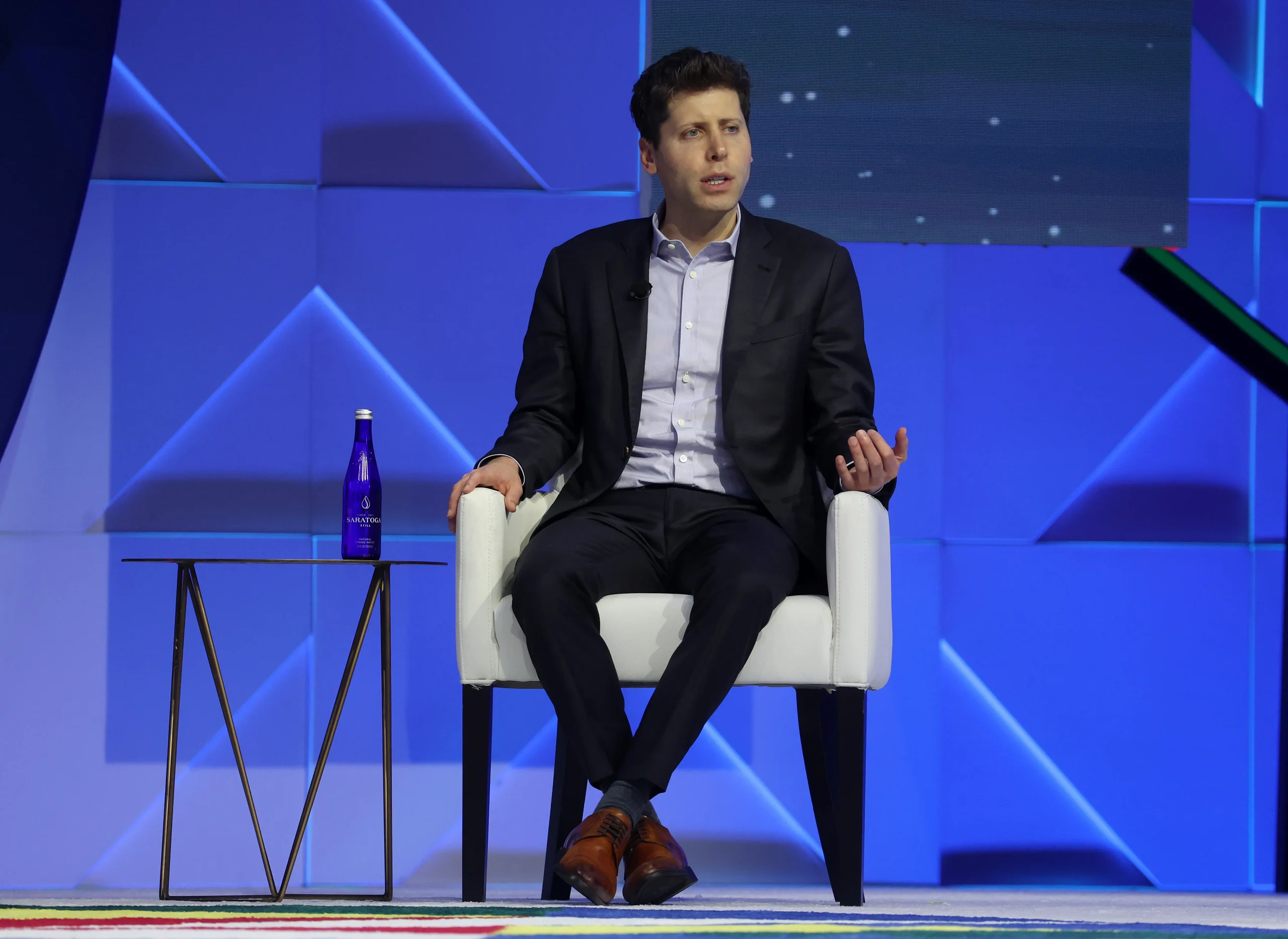
At the World Economic Forum in Davos, January 2025, Sam Altman, CEO of OpenAI, delivered one of the event’s most memorable keynotes, not on AI’s economic disruption or geopolitical implications, but on its transformative impact on creativity and culture.
Altman argued that the next wave of AI innovation will be defined less by automation and more by its ability to expand human imagination. In his view, artificial intelligence is not just a tool for efficiency; it is becoming a catalyst for creativity, lowering barriers and making artistic expression more accessible than ever before.
AI as a Creative Catalyst
This vision comes at a time when tools like Sora 2.0 (OpenAI’s advanced text-to-video generator) and ChatGPT Vision (a multimodal system capable of interpreting and generating text, images, and video) are reshaping how people create. Once confined to research labs and professional studios, these tools are now in the hands of anyone with a smartphone or laptop democratizing access to professional-grade creativity.
Key Insights from Altman
- Democratization of Creativity
Altman emphasized that AI is dismantling the traditional gatekeeping structures of the creative industries. Producing a film, building a video game, or curating an exhibition once demanded substantial financial and technical resources. Today, AI enables independent creators to achieve results once limited to major studios. - Empowering Emerging Voices
He highlighted how AI is amplifying voices historically excluded from mainstream platforms. A teenager in Lagos, a digital artist in Manila, or a musician in rural Brazil can now produce and share work that reaches global audiences, often rivaling established institutions in quality and impact. - Collaboration, Not Replacement
Altman positioned AI as a collaborative partner rather than a competitor. Drawing parallels with the invention of the camera and the synthesizer innovations that initially provoked resistance but ultimately expanded the boundaries of art he stressed: “The best art will always come from human vision, but AI can help bring that vision to life faster and more vividly.” - Risks and Responsibilities
Despite his optimism, Altman acknowledged the risks: misinformation, deepfakes, and copyright disputes. He called for ethical frameworks and transparency in AI development, urging creators, policymakers, and technologists to adopt responsible practices.
A Broader Cultural Shift
Altman’s reflections arrive at a pivotal moment. Creative industries are already undergoing rapid transformation, Hollywood experimenting with AI-assisted production, musicians composing with generative models, and visual artists blending traditional methods with AI-driven aesthetics.
His comments underscore a profound cultural shift: creativity is no longer limited by access to resources, but by imagination itself. Tools once reserved for elite institutions are now available to everyday people, reshaping the global creative economy and redefining what it means to be an artist in the AI age.