
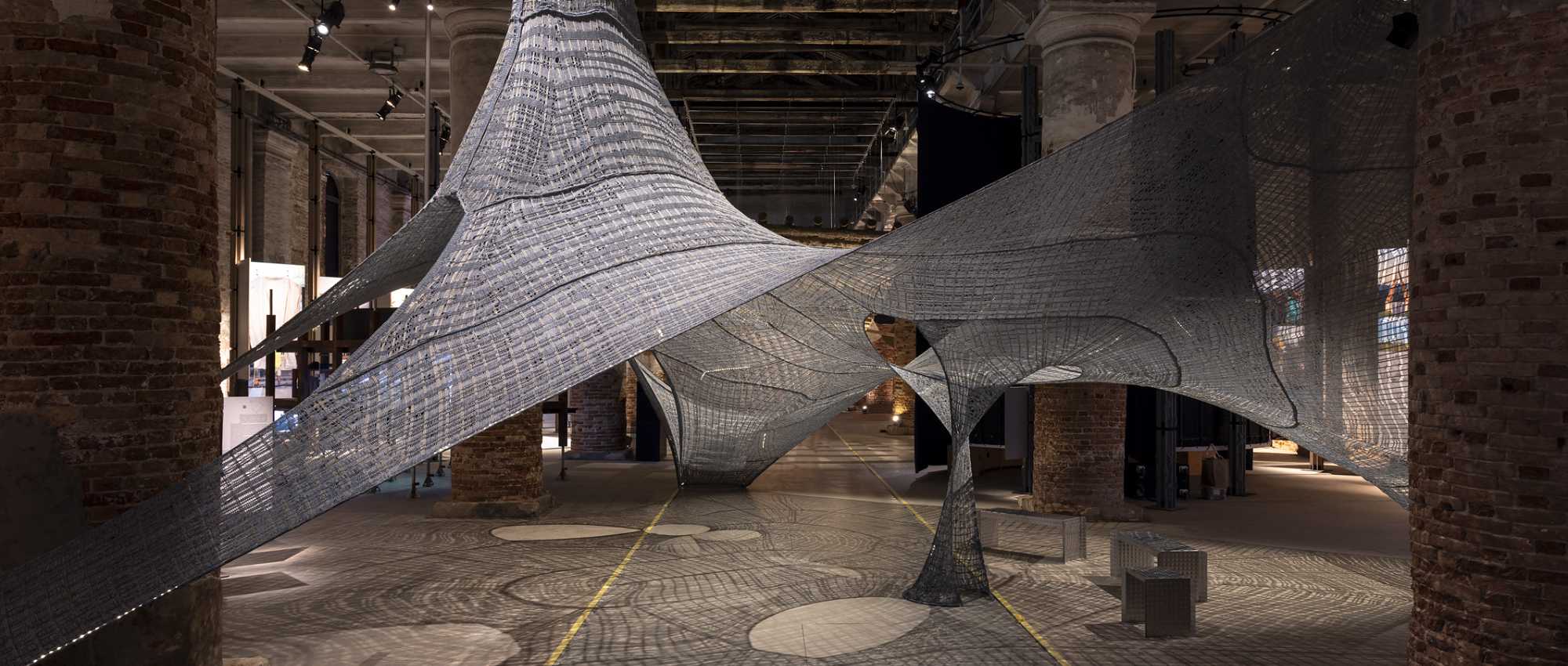
The 2025 Venice Biennale often described as the Olympics of the art world has taken a decisive leap into the future by centering its exhibitions on the intersection of artificial intelligence, ecology, and activism. With the theme “Symbiosis: Art in the Age of Technology and Ecology,” this edition underscores the urgency of climate change while highlighting how digital innovation can function as both a creative medium and a catalyst for global awareness.
A Shift Toward Tech-Driven Creativity
Unlike previous Biennales that leaned heavily on traditional mediums, the 2025 exhibition is dominated by immersive, technology-led installations. Artists from across the globe are harnessing generative AI, real-time data visualization, and interactive environments to produce works that engage audiences aesthetically while prompting reflection on humanity’s relationship with the planet.
Key Highlights
- AI-Generated Coral Reef Installation
A central highlight of this year’s Biennale, this installation draws on real-time oceanic data, including temperature, acidity, and pollution levels to generate evolving coral reef visuals. The reef responds dynamically: bleaching and fragmenting as ocean health declines, or flourishing with color and movement when conditions improve. The result is a visceral translation of climate data into emotional experience. - Projection-Mapped Forest
A monumental digital forest uses projection mapping to respond to global climate statistics. As visitors move through the space, trees wilt, bloom, or shed leaves in direct correlation with live environmental data streams. This installation creates an immediate sensory connection between human activity and ecological change. - Interactive Climate Narratives
Several national pavilions feature AI-driven storytelling platforms where visitors input their personal carbon footprint data. In real time, generative art visualizes their individual environmental impact, transforming climate change from a distant abstraction into a deeply personal narrative. - Global Collaboration
For the first time in the Biennale’s history, climate scientists and technologists collaborated with artists to ensure that the installations are both visually compelling and scientifically accurate. This interdisciplinary approach highlights a growing recognition of the arts as a bridge between science, technology, and public engagement.
Beyond the Exhibition
The Venice Biennale 2025 is more than a showcase of artistic ingenuity, it is a cultural statement. By embracing AI and climate-focused art, the Biennale demonstrates how creativity can serve as a form of activism, translating complex data into tangible, emotional encounters that resonate with global audiences.
This edition also signals a broader reorientation of the art world’s priorities. Art is no longer confined to static canvases or isolated gallery spaces, it is evolving into a living, responsive system that mirrors the condition of the planet itself. In this transformation, the role of the artist expands beyond that of creator to become a collaborator with both technology and nature.